Have you ever wondered what lies beneath the surface of the ocean? Do you have a thirst for adventure and a desire to explore the uncharted depths of the underwater world? If so, then technical diving may be right up your alley. This exhilarating form of diving goes beyond the limits of recreational diving, allowing divers to explore extreme depths and challenging environments that are off-limits to the average diver.
Technical diving involves specialized equipment and training that enable divers to go deeper, stay underwater longer, and explore underwater caves, wrecks, and other difficult-to-reach locations. This type of diving requires a high level of skill, precision, and attention to detail, as well as a thorough understanding of dive physics and physiology. Technical divers must also be prepared to handle potentially dangerous situations, such as equipment malfunctions, decompression sickness, and limited visibility.
Despite the risks involved, technical diving offers a unique and thrilling opportunity to push the boundaries of what is possible underwater. Whether you are drawn to the challenge of exploring deep wrecks, navigating intricate cave systems, or simply experiencing the beauty of the underwater world in a new and exciting way, technical diving has something to offer for every adventurous soul. So if you are ready to take your diving skills to the next level and discover a whole new world beneath the waves, then technical diving may be the perfect adventure for you.
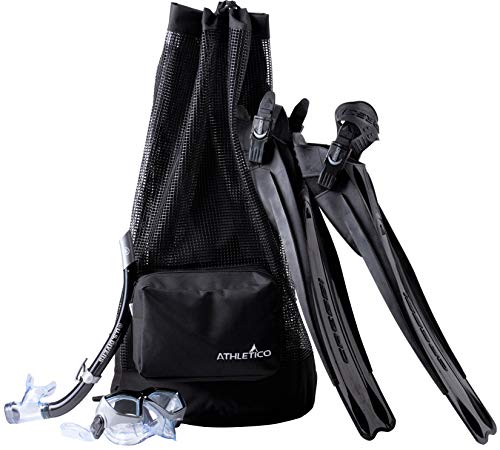
XL Mesh Backpack for Scuba Diving Gear and Equipment
Conveniently carry all your scuba diving essentials with our XL mesh backpack
Product information
$39.99
Product Review Score
4.82 out of 5 stars
156 reviewsProduct links
Equipment for Extreme Depths
Diving to extreme depths requires specialized equipment to ensure safety and success. Technical divers rely on a variety of gear designed to withstand the intense pressures and challenging conditions found in deep underwater environments. One essential piece of equipment is a dive computer, which helps divers monitor their depth, bottom time, and decompression stops. These devices are crucial for preventing decompression sickness and ensuring a safe ascent.
Another key piece of equipment for extreme depth diving is a redundant gas supply system. Technical divers often use multiple gas tanks to provide a backup in case of equipment failure or an unexpected change in dive conditions. Rebreathers are also commonly used in deep diving, as they recycle exhaled air and remove carbon dioxide, allowing divers to stay underwater longer and reduce the risk of nitrogen narcosis and oxygen toxicity.
In addition to specialized breathing apparatus, technical divers use underwater propulsion devices, such as DPVs (Diver Propulsion Vehicles), to conserve energy and cover greater distances during deep dives. These vehicles are especially useful for navigating strong currents and exploring large underwater spaces. Divers also rely on high-powered underwater lights to illuminate their surroundings and capture footage of the unique marine life found at extreme depths.
Hazards and Safety Precautions
Exploring extreme depths in the world of technical diving can be an exhilarating and awe-inspiring experience. However, it is important to be aware of the hazards that come with diving to such depths. One of the greatest dangers of technical diving is decompression sickness, also known as "the bends." This occurs when nitrogen bubbles form in the bloodstream due to ascending too quickly from a deep dive. To prevent this potentially fatal condition, divers must follow strict decompression schedules and ascend slowly.
Another hazard to be mindful of in technical diving is oxygen toxicity. At extreme depths, the concentration of oxygen in the breathing gas can reach dangerous levels, leading to seizures and unconsciousness. Divers must carefully monitor their oxygen levels and ensure they are within safe limits throughout the dive. It is also crucial to maintain proper buoyancy control to prevent ascending too quickly, which can result in barotrauma, such as ruptured eardrums or lung overexpansion injuries.
To enhance safety while exploring extreme depths, it is essential for technical divers to undergo rigorous training and certification programs. Proper equipment maintenance and regular gear checks are also vital to prevent malfunctions and accidents underwater. Additionally, having a reliable dive buddy who is trained in technical diving procedures can provide essential support and assistance in the event of an emergency. By understanding the hazards involved in technical diving and taking appropriate safety precautions, divers can enjoy the wonders of the underwater world at extreme depths responsibly and safely.
Exciting Dive Sites for Experienced Divers
For experienced divers looking for the ultimate thrill, there are a number of exciting dive sites around the world that offer challenging and rewarding experiences. Whether you're interested in exploring deep wrecks, underwater caves, or extreme environments, there is something for every adventurous diver to discover.
One of the most famous dive sites for experienced divers is the Blue Hole in Belize. This natural sinkhole is over 400 feet deep and offers a unique experience for those looking to push the limits of their diving skills. The crystal-clear waters and abundance of marine life make this a must-visit destination for technical divers.
If you're interested in exploring underwater caves, the Cenotes in Mexico are an ideal dive site for experienced divers. These fresh-water sinkholes offer a maze of caverns and tunnels to navigate, providing a challenging and exhilarating experience for those looking to test their skills in a unique and beautiful environment.
For those looking for a more extreme diving experience, the deep wrecks off the coast of Truk Lagoon in Micronesia are a must-see. This underwater museum of WWII shipwrecks offers divers the chance to explore historic vessels at depths of up to 200 feet, making it a thrilling and unforgettable dive site for those with the technical skills and experience to handle the challenging conditions.
